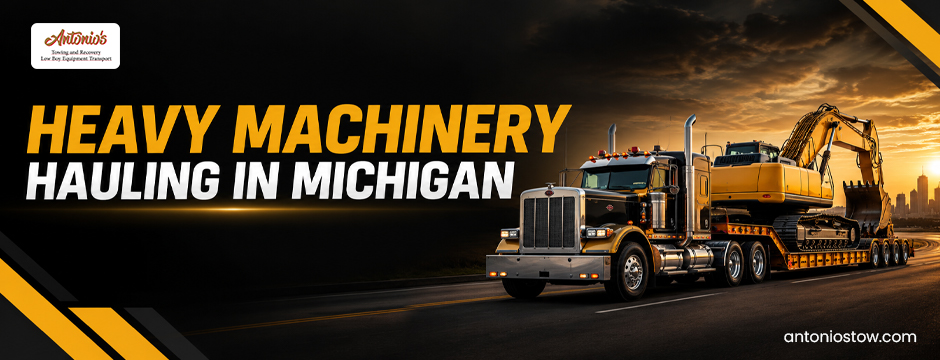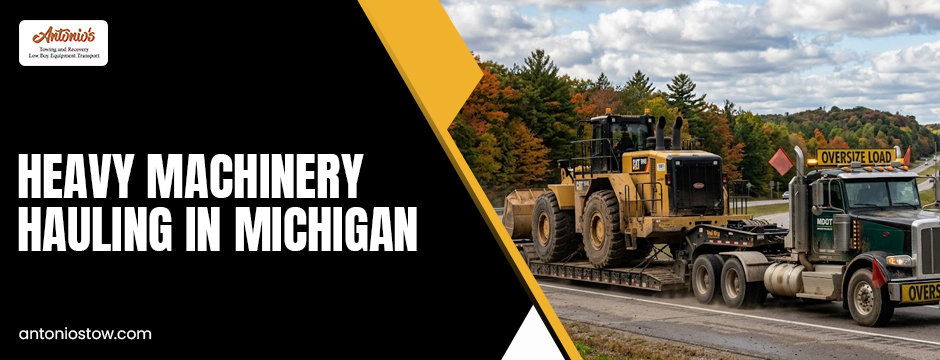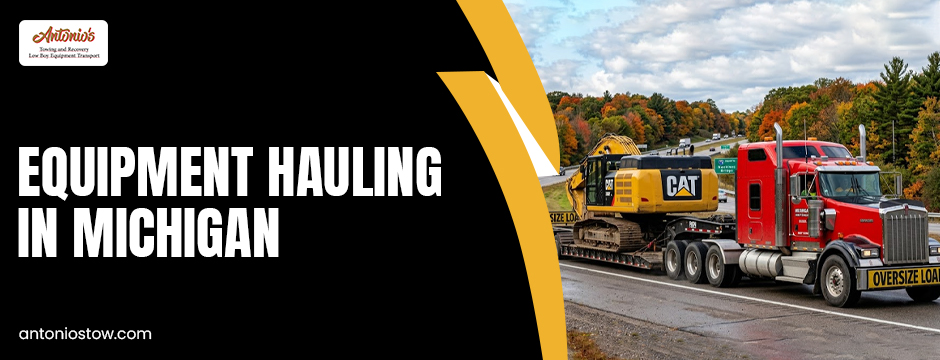
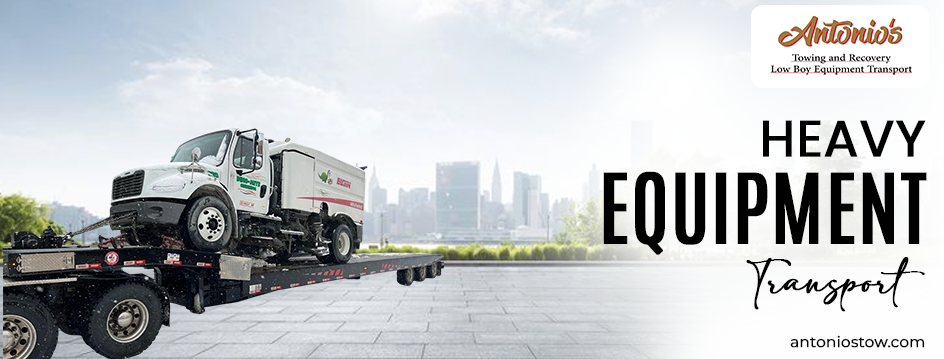
Moving oversized machinery is never a simple task. Construction companies, industrial facilities, and logistics teams rely on professional heavy equipment transport services to move valuable machinery safely and efficiently. From excavators and bulldozers to cranes and agricultural equipment, transporting large loads requires planning, specialized trailers, skilled operators, and strict safety procedures.
Furthermore, oversized machinery often travels across long distances and public highways. That makes route planning, load securing, and permit compliance extremely important. Without the right transport strategy, businesses can face costly delays, equipment damage, or legal penalties.
This guide explains how professional hauling services manage large machinery while protecting equipment, operators, and surrounding traffic.

Why Specialized Transport Matters for Heavy Machinery
Construction and industrial equipment is expensive, oversized, and difficult to maneuver. Standard towing methods are not designed for these types of loads. Consequently, businesses need experienced transport providers that understand the challenges involved in moving large machinery safely.
Professional heavy equipment transport services use specialized trailers, heavy-duty towing systems, and trained operators to handle difficult hauling conditions. These services help businesses move equipment between job sites, warehouses, construction zones, and industrial facilities without unnecessary risk.
Additionally, experienced transport teams know how to navigate narrow roads, bridge restrictions, and weight regulations that commonly affect oversized loads.
Understanding the Planning Process
Equipment Assessment Comes First
Every successful hauling project begins with a detailed assessment. Operators examine the size, height, weight, and shape of the machinery before selecting the transport method.
For example, transporting a compact skid steer requires a very different setup compared to hauling a large excavator or crane. Proper measurements also help determine whether permits or escort vehicles are necessary.
Companies involved in heavy haul trucking operations carefully review these details to avoid route complications and loading issues later.
Route Planning and Permit Coordination
Route planning is another critical part of oversized hauling. Transport teams must account for:
- Bridge clearances
- Road weight limits
- Construction zones
- Traffic conditions
- Tight intersections
Furthermore, oversized machinery often requires state and local permits before transport can begin. Failure to secure proper authorization may lead to fines or shipment delays.
Professional transport providers coordinate these requirements in advance to ensure a smoother delivery process.
Choosing the Right Trailer for the Job
Not all trailers are designed for oversized equipment. The trailer selection depends entirely on the machinery being moved.
Lowboy Trailers
Lowboy trailers are commonly used for tall or extremely heavy equipment. Their lower deck height allows machinery to remain within legal height restrictions during transport.
These trailers are ideal for:
- Bulldozers
- Excavators
- Industrial machinery
- Construction vehicles
Flatbed Trailers
Flatbeds work well for lighter equipment and machinery with manageable dimensions. They also provide easier loading and unloading access in certain situations.
Drop-Deck Trailers
Drop-deck trailers offer additional clearance for medium-sized machinery that may not fit comfortably on standard flatbeds.
Experienced heavy equipment transport providers evaluate the machinery carefully before recommending the safest trailer option.
Safety Measures During Transport
Proper Load Securement
Securing oversized machinery is one of the most important parts of the hauling process. Even slight movement during transit can create dangerous road conditions.
Professional operators use:
- Industrial chains
- Heavy-duty straps
- Tie-down systems
- Specialized anchor points
Additionally, transport crews inspect load stability multiple times throughout the trip.
Companies specializing in heavy haulers trucking understand that proper securement protects both the machinery and other drivers on the road.
Traffic and Scene Safety
Large equipment often affects surrounding traffic during loading, unloading, and transport. Therefore, professional crews implement safety measures such as:
- Traffic cones
- Warning lights
- Escort vehicles
- Controlled loading zones
These precautions help minimize accidents and improve roadway safety.
The Role of Skilled Operators
Heavy hauling requires far more than basic driving knowledge. Operators must understand:
- Load distribution
- Rigging systems
- Hydraulic equipment
- Recovery procedures
- Emergency response techniques
Specifically, experienced drivers know how to maneuver oversized loads through difficult terrain and congested highways while maintaining stability.
Furthermore, professional transport operators receive training in safety regulations and recovery protocols. This expertise becomes especially valuable during bad weather, tight job sites, or emergency breakdown situations.
Reliable heavy equipment transport providers invest heavily in operator training because experience directly impacts safety and efficiency.
Heavy-Duty Recovery and Emergency Support
Unexpected problems can happen during transport. Mechanical failures, accidents, or poor road conditions may require immediate recovery assistance.
Heavy-duty recovery services are designed to handle:
- Disabled commercial trucks
- Construction equipment recovery
- RV towing
- Industrial machinery incidents
- Accident scene recovery
Specialized tow trucks use powerful winches, booms, and extended-reach systems to recover heavy vehicles safely. Additionally, professional recovery operators work carefully to avoid causing further damage during lifting or towing operations.
Many heavy haulers trucking companies also provide emergency response services around the clock because delays can significantly impact construction schedules and industrial operations.
Compliance and Legal Requirements
Transporting oversized machinery involves strict compliance with state and federal regulations. These rules help protect public roads and ensure safe transport practices.
Common Compliance Requirements Include:
- Weight restrictions
- Height limitations
- Oversize permits
- Travel time regulations
- Escort vehicle requirements
Ignoring these regulations can result in major penalties, shipment delays, or safety risks.
Consequently, reputable transport companies stay updated on changing transportation laws and permit requirements across different states.
Why Communication Is Critical
Clear communication helps every stage of the transport process run smoothly. From dispatch teams to equipment owners, everyone involved must stay informed about schedules, route changes, and delivery timelines. Professional hauling providers maintain regular updates throughout transportation to avoid confusion and delays.
Furthermore, communication becomes especially important during emergency situations or route adjustments caused by weather or traffic conditions. Strong coordination improves operational efficiency while helping clients feel confident throughout the hauling process.
Protecting Expensive Equipment During Transit
Construction and industrial machinery represent major investments. Even minor damage during transportation can lead to expensive repairs and project downtime.
Professional transport providers reduce these risks through:
- Careful loading techniques
- Weight-balanced trailer positioning
- Secure tie-down systems
- Protective transport procedures
Additionally, reputable companies carry insurance coverage that protects machinery during transit.
Experienced heavy equipment transport teams also inspect equipment before and after delivery to document condition and ensure accountability.
Benefits of Working With Experienced Hauling Professionals
Hiring a specialized transport company offers several advantages for businesses managing oversized machinery.
Faster Project Coordination
Efficient hauling helps construction and industrial projects stay on schedule.
Reduced Risk
Professional operators minimize the chance of accidents, equipment damage, or compliance issues.
Specialized Equipment Access
Experienced companies maintain the proper trailers, recovery systems, and hauling tools required for oversized loads.
24/7 Emergency Availability
Many providers offer around-the-clock recovery support for urgent transport situations.

Final Thoughts
Transporting oversized machinery requires experience, planning, and specialized equipment. From selecting the right trailer to securing permits and protecting expensive loads, every detail matters during the hauling process.
Professional heavy equipment transport services help businesses move construction and industrial machinery safely while reducing operational risks and costly delays. Additionally, experienced operators understand how to manage route restrictions, safety procedures, emergency recovery situations, and oversized load regulations effectively.
Whether you need to move excavators, cranes, industrial systems, or commercial equipment, partnering with a knowledgeable hauling provider ensures smoother logistics and greater peace of mind.
If you are searching for dependable oversized hauling and recovery solutions backed by professional expertise and reliable support, Antonio’s Towing & Recovery is worth considering for your next transport project.
Frequently Asked Questions
1. What types of machinery can be transported?
Professional hauling companies can transport excavators, bulldozers, cranes, industrial equipment, RVs, agricultural machinery, and oversized construction vehicles.
2. Why are permits required for oversized loads?
Permits ensure that heavy equipment transport follows state and federal safety regulations, including weight limits, road restrictions, and height clearances.
3. What trailer is best for heavy machinery hauling?
The trailer depends on the equipment size and weight. Lowboy trailers are often used for tall or extremely heavy machinery.
4. How is heavy equipment secured during transport?
Operators use industrial chains, heavy-duty straps, anchor points, and tie-down systems to prevent movement during transit.
5. Why should businesses hire experienced hauling professionals?
Experienced transport providers improve safety, reduce delays, handle permit coordination, and protect expensive machinery throughout the transportation process.