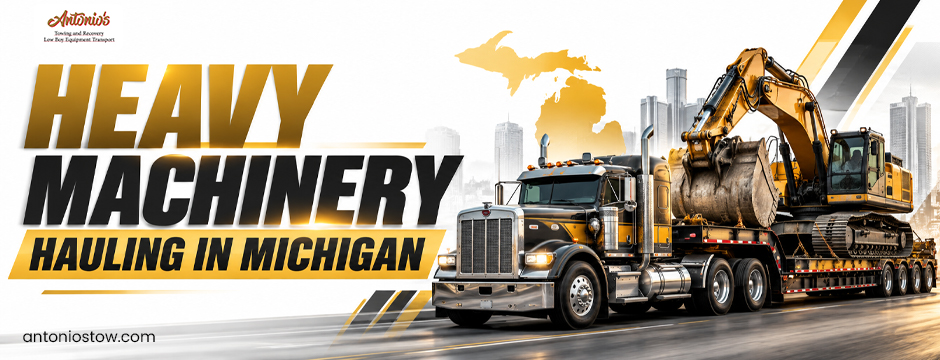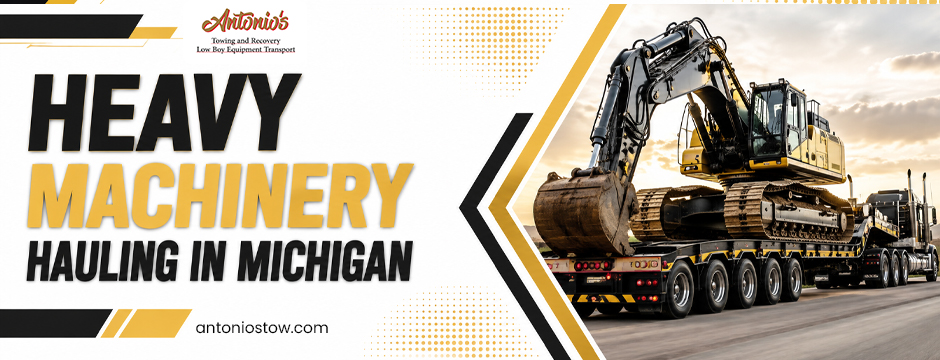
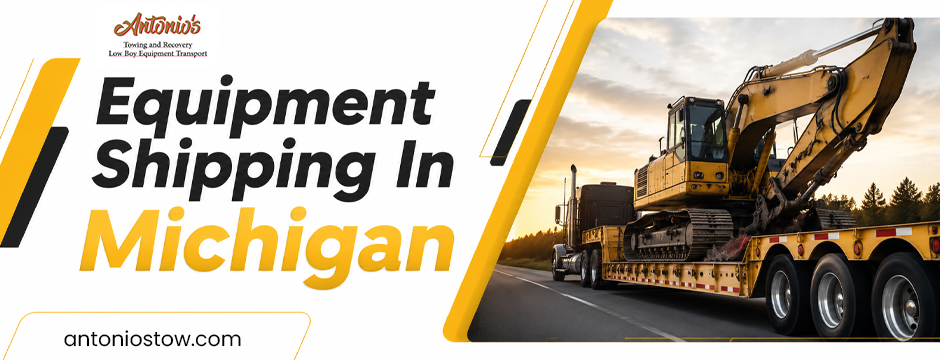
Moving heavy machinery across Michigan is not the same as sending ordinary freight. Large excavators, loaders, generators, construction machines, agricultural equipment, and industrial units require careful planning before they reach the road. The right equipment shipping in Michigan approach considers weight, dimensions, route conditions, permits, loading methods, and securement. A well-planned move reduces delays, protects valuable machinery, and keeps everyone involved safer.

What Heavy Equipment Shipping Involves
Equipment transport starts with accurate information. The carrier needs the machine’s overall length, width, height, weight, and operating condition. Attachments also matter. A bucket, boom, blade, or counterweight can change the transport profile considerably.
Next, the shipping team selects a trailer that can support the load safely. Flatbeds work for many machines that can be driven or loaded with suitable equipment. Lowboy and drop-deck trailers are useful when height clearance is a concern. Specialized heavy-haul trailers may be needed for exceptionally large or heavy units.
Why Proper Planning Matters
Route planning is more than choosing the shortest distance. Bridges, narrow roads, low clearances, construction zones, weight restrictions, and seasonal conditions can affect the trip. Consequently, experienced planners review the route before departure and identify practical alternatives.
For oversized shipments, permits may be required. Requirements can vary by jurisdiction and by the load’s dimensions. Travel windows, escort vehicles, signage, and other controls may also apply. Confirming these details early helps prevent avoidable roadside delays.
Choosing the Right Transport Method
The best trailer depends on the machine and its loading requirements. A compact excavator may fit comfortably on one trailer, while a large crane or industrial machine can demand a specialized configuration.
Before booking, ask how the carrier will load the equipment. Some machines can be driven onto a trailer using ramps. Others require cranes, forklifts, winches, or rigging systems. The loading surface should be suitable for the equipment, and the process should account for ground conditions at both locations.
Furthermore, the carrier should have a clear securement plan. Chains, straps, binders, blocking, and other approved methods must be selected according to the machine and applicable requirements. Proper securement limits movement during braking, turning, and changing road conditions.
Heavy Equipment Hauling in Michigan: What to Check
When comparing providers for heavy equipment hauling in Michigan, look beyond a quoted price. Ask whether the company regularly handles oversized or overweight machinery. Experience with similar loads can make a major difference.
Check the carrier’s insurance coverage and confirm what protection applies during loading, transit, and unloading. It is also sensible to ask who obtains required permits and manages route restrictions. Clear answers indicate that the provider understands the operational side of heavy transport.
Communication is another important factor. A dependable carrier should explain pickup requirements, expected timing, access limitations, and delivery procedures. If weather, road closures, or mechanical problems affect the trip, prompt updates allow the equipment owner to adjust plans.
Questions to Ask Before Booking
Before selecting a carrier, ask:
- What trailer will be used for my equipment?
- How will the machine be loaded and secured?
- Are permits required for this shipment?
- Will an escort vehicle be necessary?
- What insurance coverage is included?
- How are delays or route changes handled?
- What access is needed at pickup and delivery?
These questions help compare providers on service quality rather than price alone.
Preparing Machinery for Transport
Preparation begins before the truck arrives. Clean the machine so its condition can be documented clearly. Remove loose tools, personal items, and detachable components that could fall during transit.
If the equipment has movable parts, secure them according to manufacturer guidance. Lower booms, blades, arms, or other components when the transport plan calls for it. Check for fluid leaks and report known mechanical issues to the carrier.
Take photographs from several angles before loading. Record existing dents, scratches, cracked components, and other visible conditions. This simple step creates a useful reference for both parties.
Also provide accurate pickup and delivery details. Narrow gates, soft ground, steep driveways, overhead wires, and limited turning space can affect the unloading plan. Sharing these conditions in advance gives the crew time to arrange suitable equipment.
Safety During Loading and Delivery
Loading is one of the highest-risk stages of a heavy machinery move. Only trained personnel should operate ramps, cranes, winches, or other loading equipment. The area should be assessed for stable ground, overhead hazards, nearby traffic, and unnecessary personnel.
Once loaded, the machine must be positioned to maintain safe weight distribution. Securement points should be appropriate for the equipment. After initial securement, the crew should inspect the setup before the vehicle leaves.
During delivery, the same level of care matters. The unloading area should be ready before arrival. Keep people clear of moving machinery and provide enough room for the trailer and unloading equipment to operate safely.
When Heavy-Haul Services Are Especially Useful
Heavy equipment hauling in Michigan can be valuable for construction companies moving machines between job sites, contractors purchasing used equipment, manufacturers relocating machinery, and farms transporting large agricultural units. It can also support industrial projects where equipment must reach a facility on a defined schedule.
Commercial equipment moves often involve tight project timelines. However, rushing preparation can create bigger problems. A carrier that plans permits, route requirements, securement, and loading arrangements can provide more predictable movement.
For businesses arranging equipment shipping in Michigan, documentation is equally important. Keep equipment specifications, permits, insurance details, pickup instructions, and delivery contacts together. A central record reduces confusion when several people coordinate the same shipment.
How to Reduce Delays and Transport Costs
Cost control starts with accurate measurements. Incorrect dimensions can lead to the wrong trailer selection, permit problems, or last-minute changes. Provide complete equipment details when requesting a quote.
Flexible scheduling can also help. If the project allows a wider pickup window, the carrier may have more options for routing and equipment allocation. However, lower cost should never come from inadequate securement or unsuitable transport equipment.
Compare quotes carefully. A lower figure may exclude permits, escorts, loading assistance, or other necessary services. Ask for an itemized explanation so you understand what the price covers.
A Practical Checklist for Equipment Owners
Before the equipment shipping in Michigan begins, confirm these essentials:
- Equipment dimensions and weight are accurate.
- The trailer matches the machine’s specifications.
- Required permits are identified and arranged.
- Loading and unloading equipment is available.
- Securement methods are confirmed.
- Insurance details are understood.
- Pickup and delivery sites are accessible.
- Existing equipment condition is documented.
- Weather and route issues have been considered.
- Contact information is available to everyone involved.
This checklist can prevent expensive surprises and last-minute complications.
Trusted Support for Equipment Shipping in Michigan
With more than 30 years of experience, Antonios Tow provides dependable equipment shipping in Michigan for heavy machinery and oversized loads. Our team combines short arrival times with friendly, professional service to keep every move organized. We offer honest, competitive prices with zero hidden fees, so customers know what to expect. Available 24 hours a day, 7 days a week, we provide responsive support when transport needs arise. Choose Antonios Tow for reliable, practical equipment transport assistance.

Conclusion
Successful equipment shipping in Michigan depends on preparation, suitable transport equipment, regulatory awareness, and disciplined safety practices. The process should begin with accurate measurements and continue through route planning, loading, securement, transit, and delivery.
For complex moves, experienced professionals can help manage details that are easy to overlook. If you need dependable support for a heavy machinery move, Antonios Tow can help you plan a safer, more organized transport process.
FAQs
1. What are the main benefits of equipment shipping in Michigan?
Professional equipment shipping helps move oversized machinery safely while managing trailer selection, route planning, permits, securement, and delivery logistics. It reduces avoidable delays and protects valuable equipment during transportation.
2. What equipment and transport options are available?
Transport options include flatbed, lowboy, drop-deck, and specialized heavy-haul trailers. The appropriate choice depends on the equipment’s weight, dimensions, configuration, loading method, and required clearance.
3. How much does heavy equipment shipping cost?
Pricing depends on equipment size, weight, distance, trailer type, permits, escorts, loading requirements, and scheduling. Request an itemized quote to understand exactly which transportation services and additional costs are included.
4. How is equipment protected during transportation?
Proper securement uses suitable chains, straps, binders, blocking, and approved attachment points. Experienced crews also document existing damage, inspect the load, and follow appropriate safety procedures during loading and delivery.
5. Why choose a specialized heavy-haul provider over a standard carrier?
Specialized providers understand oversized-load regulations, route restrictions, permits, trailer configurations, and heavy machinery handling. Their experience can provide more reliable planning and safer transportation than general freight services.